

The 1990s were undoubtedly a period of significant cultural, fashion, and social changes both globally and locally in Texas and Houston. These years are still remembered today because that’s when the world began its transformation. It’s worth noting that the ’90s were vibrant, unique, and fascinating. Today, we’re going to talk about the trends of the 1990s that influenced Houston’s development. Under the impact of youth subcultures, music trends, and economic growth, unique regional styles and habits emerged. Learn more about this on houstonka.com.
The Characteristics of the ’90s
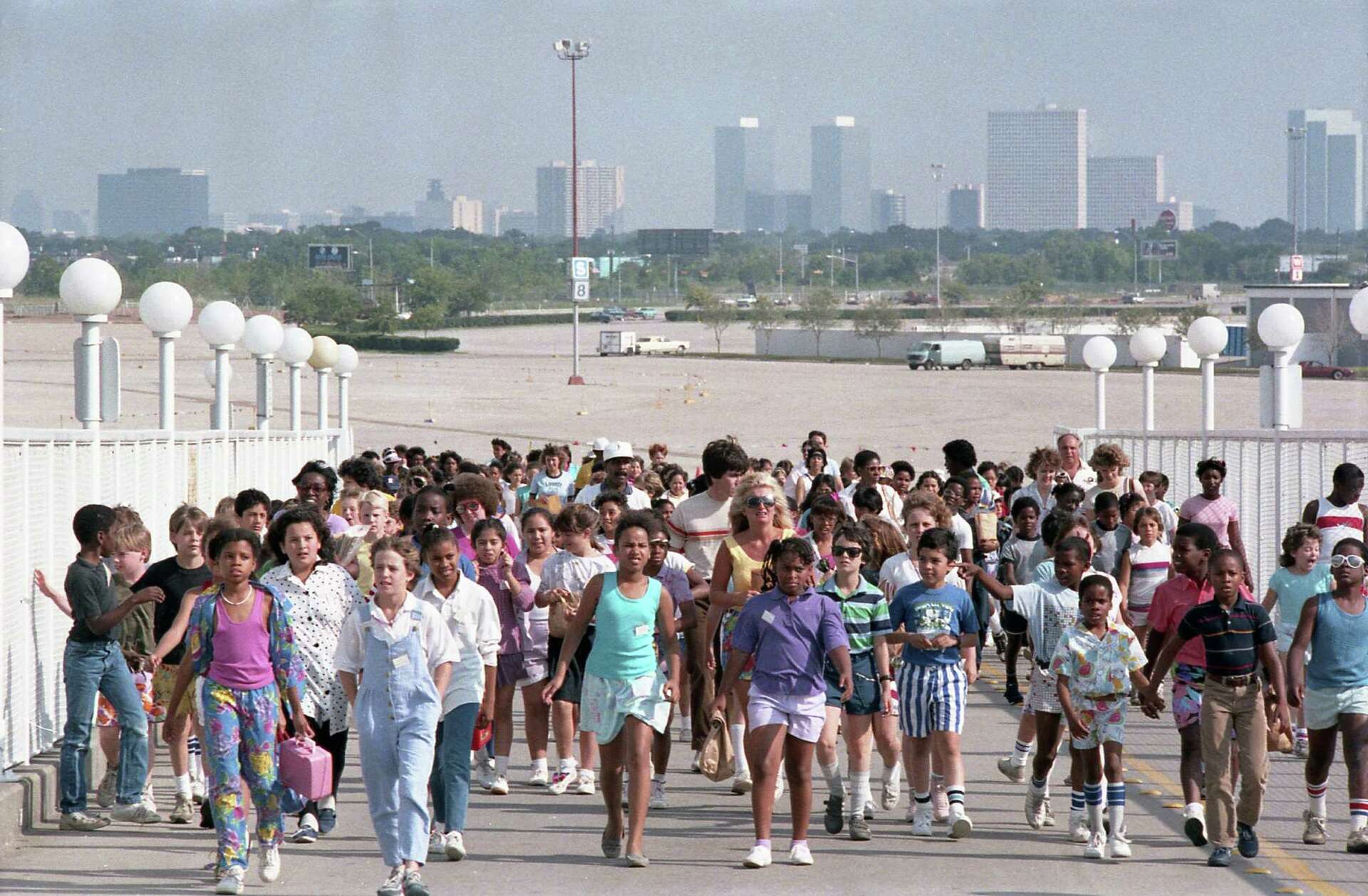
Most people remember the ’90s through the lens of fashion because that’s when personal style and image truly began to take shape. In Houston, fashion trends of the 1990s largely mirrored those across the U.S., reflected in clothing, music, and lifestyle. One of the key influences was grunge culture—a comfortable, laid-back style featuring ripped jeans, flannel shirts, oversized T-shirts, and chunky boots. This look gained popularity under the influence of bands like Nirvana, which were a hit among Houston’s youth.
At the same time, Southern states saw a strong rise in hip-hop culture, with baggy pants, baseball caps, and bold athletic styles making waves. As a major Southern city, Houston embraced and promoted local hip-hop artists and performers.
The decade also saw the return of minimalism. For example, women increasingly opted for simple white T-shirts and jeans, light tops and skirts, along with classic blazers and leather jackets. Overall, straight silhouettes, oversized fits, and eclectic mixes of styles dominated, creating a unique and dynamic look.
Houston in the 1990s
Houston experienced substantial growth and dynamic economic development during the ’90s. This was driven by major changes in the city’s industry, commerce, and infrastructure. At the start of the decade, Houston’s population was about 1.6 million, making it the second-largest city in Texas and the fourth-largest in the U.S.
Historians note that this growth was fueled by an active energy sector—primarily the oil and gas industries—which provided jobs and attracted migrants. Additionally, Houston saw major improvements in its transportation infrastructure during this time, with new highways under construction and the expansion of George Bush Intercontinental Airport, attracting more businesses and investment.
The city’s GDP also grew significantly, while unemployment stayed below the national average, hovering around 6–7%. Surveys from the time show that over 50% of Houston’s population consisted of Latinos and African Americans, highlighting the city’s rich cultural and ethnic diversity, which shaped new cultural trends.
The 1990s were also marked by a construction boom, with more residential complexes and shopping centers popping up throughout the city. Educational institutions expanded as well; for instance, the University of Houston increased its student population and introduced new academic programs.
It’s safe to say that many of today’s trends in Houston trace their roots back to the 1990s, which remain influential and have evolved under the impact of modern fashion. Experts point out that bright colors, wide-leg jeans (cargo, flare), chunky accessories, oversized sunglasses, and headbands—all hallmarks of the ’90s—are making a comeback as retro fashion staples.
Those were the defining trends of the ’90s in Houston. We hope you enjoyed this article and learned something new about our city.