

Houston boasts a rich and tumultuous history, closely tied to its development as a major trade and industrial hub in the American South. Today, however, we’re diving into a rather provocative topic—the history of brothels in Houston. You can find more details on houstonka.com.
How the City’s Growth Influenced Brothels
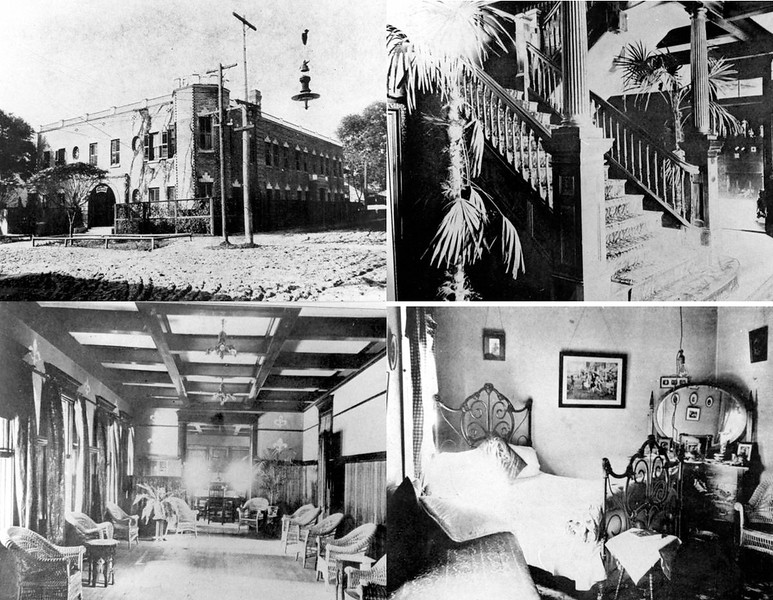
Houston was founded in 1836 and grew rapidly thanks to its strategic port, railroads, and booming oil industry. This rapid expansion brought an influx of working-class men, sailors, and transient populations. Naturally, this created demand for various services—including those offered by brothels.
By the early 20th century, brothels in Houston were primarily located in working-class neighborhoods and near the city’s port areas. The women in these establishments catered to sailors and oilfield workers, offering not only sexual services but also companionship and conversation. For many clients, these women provided a sense of comfort and stability in otherwise harsh living conditions. At its peak, Houston had dozens of such establishments.
By the 1970s and 1980s, however, political and social pressures significantly reduced the number of legal brothels in the city. That said, underground networks of illegal brothels and erotic massage parlors continued to operate discreetly during this time.
Inside the World of Houston’s Brothels
Historically, Houston had certain areas known as “red-light districts,” though unlike in some European cities, these zones lacked formal, widely recognized names.
These neighborhoods became known for their concentration of brothels, strip clubs, and other adult entertainment venues, catering largely to a male working-class clientele.
Historical records indicate that these districts were often located in central areas near railroad stations and ports—ensuring easy access for customers.
Houston also had several laws that shaped the regulation of brothels and prostitution. For instance, in the early 19th century, when Texas was not yet part of the United States, local legislation was a mix of Mexican law and the laws of the short-lived Texas Republic. During this period, prostitution was officially prohibited, but weak enforcement and political instability meant these bans were often ignored.
In 1845, Texas—and Houston—became part of the United States. From that point, U.S. laws began to apply, introducing more formal regulations around prostitution. Still, brothels remained common in working-class districts and near the docks.
By the late 19th century, the U.S. began enacting laws that criminalized the operation of brothels and the procurement of sex work. Texas, in particular, introduced harsher penalties for such offenses, including fines and imprisonment.
Throughout the 20th century, prostitution remained a criminal offense in Texas. The state enforced strict laws and penalties for both brothel operators and sex workers.
Brothels, however, were not without structure. Most were organized with administrators who managed the women, oversaw client behavior, and ensured security. Many establishments had their own rules and schedules, including operating hours, client protocols, and pricing systems. Women were often required to undergo regular medical checkups to control the spread of sexually transmitted diseases. Additionally, brothels were frequent targets of police raids—especially during morality movements and the Prohibition era in the early 20th century.
That’s how brothels operated in Houston in centuries past. Today, such establishments no longer exist in the city.