

Today, it’s common to see women leading businesses and companies. But if we go back just a few centuries, such a reality would have seemed impossible. At that time, women weren’t even allowed to fully participate in the workforce. Over the years, the situation changed, but only after a long struggle for women’s rights in Houston. Let’s take a closer look at this history. More details can be found on houstonka.com.
The First Women’s Organizations in Texas
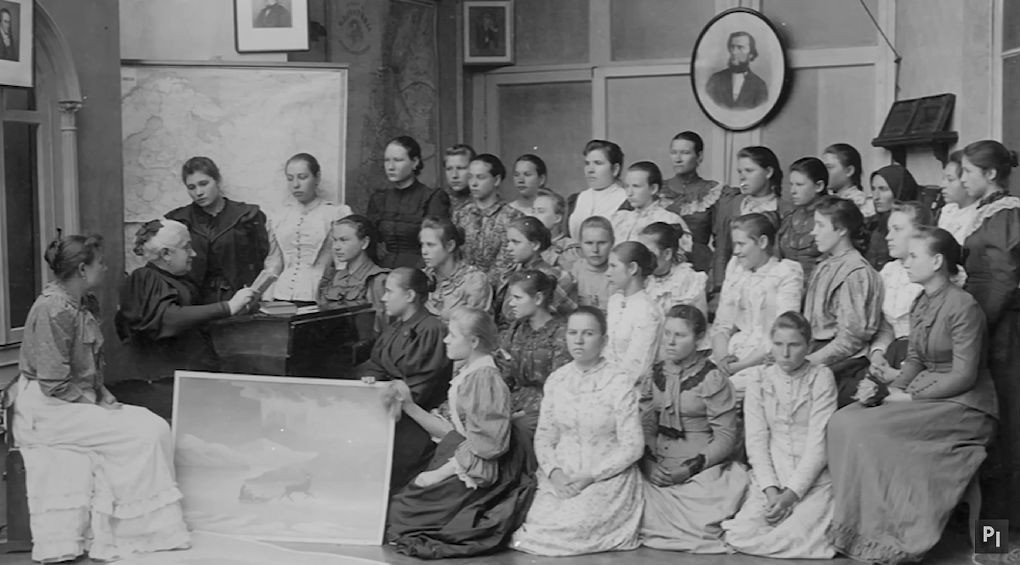
The fight for women’s rights spans more than a century, beginning in the late 19th century. That’s when the first women’s organizations and activist movements began forming across Texas.
By the 1890s, Houston saw the emergence of women’s clubs and associations that advocated for better educational and social opportunities for women. Activists demanded the establishment of schools, access to professional education, and improvements in healthcare for women and children. One of their central goals was winning the right to vote, which American women finally gained in 1920 with the ratification of the Nineteenth Amendment to the Constitution.
In Houston, this right spurred women to become actively involved in local elections and civic life. Historical records show women serving on election commissions and joining political organizations throughout the 1920s and 1930s. The rapid increase in women voters in Houston reflects the quick mobilization of this new electorate.
Protests and Demonstrations
By the mid-20th century, the fight for equality had taken on new forms. Women began to stand against both gender and racial discrimination. African American activists like Ella Baker played a significant role in Houston, working within communities to demand access to education, employment, and civil rights. This era marked an expansion of women’s roles in Houston’s public and political life.
Throughout the years, Houston hosted numerous marches, rallies, and events aimed at advancing women’s rights. At the turn of the 20th century, suffragists in the city organized protests, marches, and public meetings to raise awareness of the need for women’s suffrage.
From the 1920s through the 1950s, Houston women organized charity fundraisers and civic forums focused on women’s rights, education, and employment. Women’s clubs often became hubs for driving social reform.
In the 1960s and 1970s, during the women’s liberation movement, Houston activists joined forces with other social movements to fight for workplace equality, fair pay, legal protections against discrimination, and safeguards against domestic violence.
One of the most influential figures of the time was Ella Baker, whose impact extended to Houston communities. Baker was a central leader in the U.S. civil rights movement of the 20th century. She is remembered as an organizer, mentor to many activists, and champion of grassroots organizing, which empowered marginalized communities to fight for their own rights.
She worked alongside prominent civil rights leaders such as W. E. B. Du Bois, Martin Luther King Jr., and A. Philip Randolph, and she played a key role in founding the Student Nonviolent Coordinating Committee (SNCC). Baker often criticized the reliance on charismatic leadership and instead advocated for democratic, collective approaches to activism. She was also an outspoken critic of racism in American culture and sexism within the civil rights movement.
Over her long career, Baker held leadership roles in the NAACP, co-organized the 1957 Prayer Pilgrimage for Freedom, and supported voter registration campaigns across the South. She also stood in solidarity with the global struggle against apartheid in South Africa and promoted women’s rights worldwide.